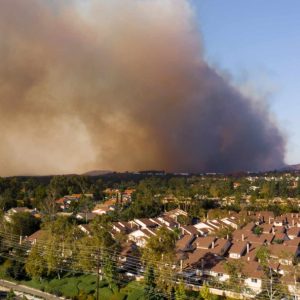



For commercial property managers and Homeowners Association (HOA) boards operating in Sacramento County, especially those adjacent to the American River Parkway or near the foothill communities (designated as High or Very High Fire Hazard Severity Zones or FHSZ), wildfire preparedness is a mandatory liability management function. Operating a commercial property in a high-risk area without documented, compliant Defensible Space exposes the asset to significant financial and regulatory risk.
Non-compliance risks go beyond the threat of property damage:
Defensible space is defined by California law (PRC 4291) as a fire protection strategy—it is not merely routine groundskeeping. A compliant strategy requires implementing and maintaining a protective buffer that slows or halts fire progression toward the structure, ensuring firefighter safety.
The legally compliant approach involves adopting the two primary ignition zones mandated by CAL FIRE, focusing on intense fuel reduction closest to the structure and extending to 100 feet or the property line, whichever is closer.
Defensible space is managed across defined zones, with the intensity of fuel reduction decreasing as the distance from the structure increases:
| Defensible Space Zone | Distance from Structure | Key Management Requirements |
| Zone 1 (Lean, Clean, and Green) | 0 to 30 feet | This zone acts as a clear buffer. Requires the removal of all dead and dying vegetation and debris. Tree branches must be kept a minimum of 10 feet from the chimney or stovepipe outlet. Hardscape features and non-combustible materials are encouraged. Exposed firewood piles must be outside this zone unless covered in fire-resistant material. |
| Zone 2 (Reduced Potential Fuel) | 30 to 100 feet | Designed to slow the spread of wildfire. Requirements include mowing annual grass to a maximum of 4 inches in height. Dead and dying woody surface fuels must be removed. Loose surface litter (leaves, needles) is permitted to a maximum depth of 3 inches. Vegetation must be managed to create both horizontal and vertical separation (“fuel separation”). |
It is essential for Sacramento commercial property managers to check with the Sacramento Metropolitan Fire District (Metro Fire) as they enforce these state standards and may impose local brush abatement deadlines.
The cost of proactive defensible space management is minimal compared to the severe penalties and insurance consequences of non-compliance.
| Financial Benefit | Detail | Source Reference |
| Avoided Enforcement Costs (Metro Fire) | Non-compliance can result in an initial Weed Abatement inspection fee (e.g., $226.00), followed by fees for each subsequent re-inspection, plus the full cost incurred by the Fire District for physically abating the hazard (removal of combustible growth). | |
| Securing Insurance Eligibility | Compliance with CAL FIRE’s defensible space laws is a primary factor in maintaining standard commercial property insurance coverage in fire-prone regions, linking compliance directly to policy eligibility and premium savings. |
Share this post


© Copyright 2026 English Garden Care All rights reserved