

For property managers and facilities executives across Southern California, balancing a thriving landscape with the region’s intense water scarcity is a continuous, high-stakes challenge. The common mistake is operating a landscape under a reactive, “set it and forget it” maintenance model. This approach may seem low-cost in the short term, but it introduces significant, often hidden, financial liabilities.
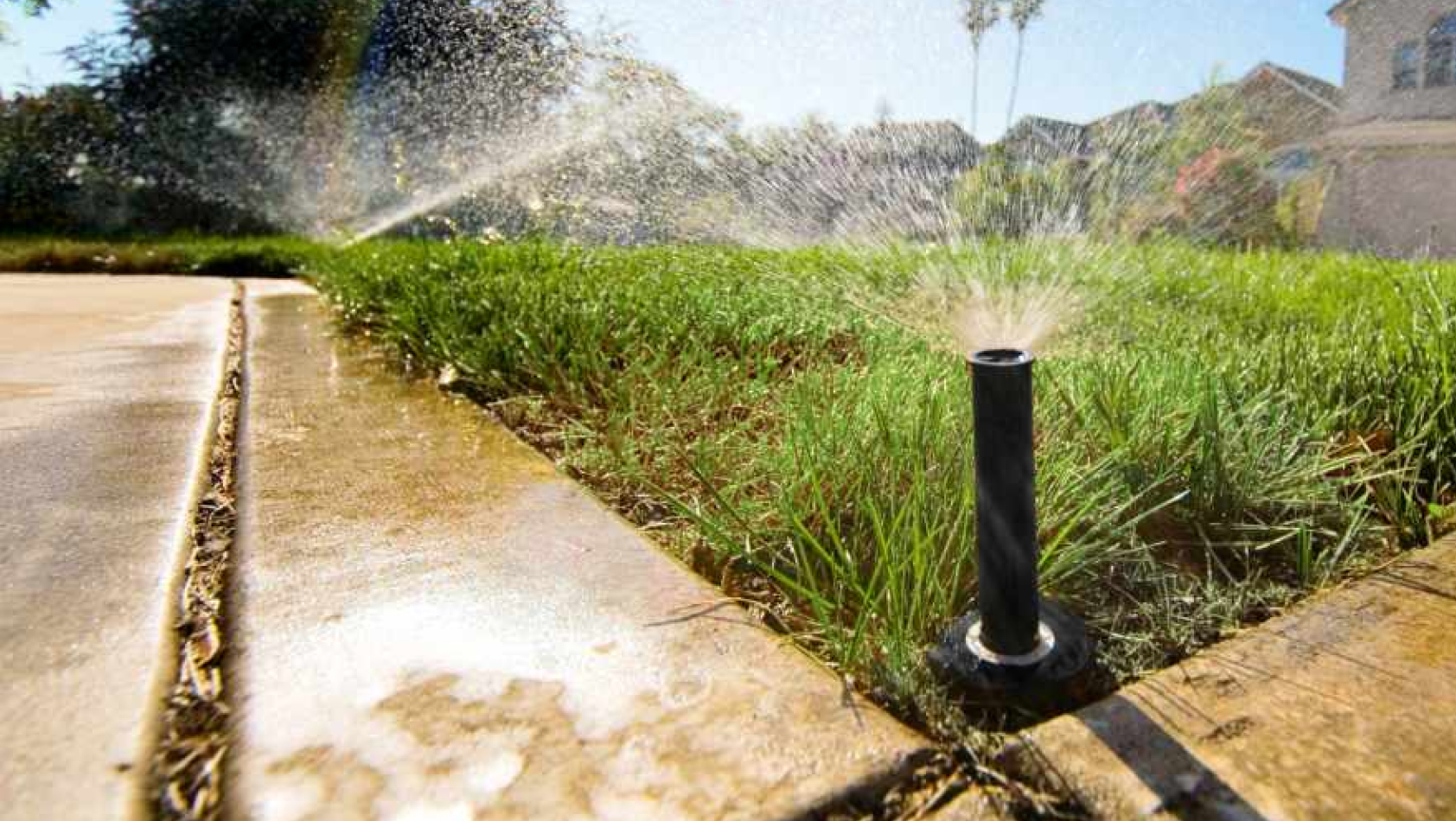
In an environment characterized by rising tiered water rates and frequent droughts, an inefficient irrigation system means you are consistently throwing money away. Beyond inflated water utility bills, poor water management causes hidden costs, including expensive emergency repairs and inconsistent service that requires constant follow-up. Furthermore, non-compliant or inefficient systems increase the risk of penalties from local water agencies, compounding the financial burden.
Effective water management must move beyond simply reacting to broken sprinkler heads. It requires a foundational, technical assessment: the Certified Landscape Irrigation Audit. This proactive approach utilizes objective data to define the Return on Investment (ROI) and create a roadmap for sustained efficiency.
The critical first step is ensuring technical authority. The audit must be performed by a certified, independent professional—accredited by a USEPA WaterSense-labeled program such as the Irrigation Association Certified Landscape Irrigation Auditor (IA-CLIA) or Qualified Water Efficient Landscaper (QWEL). This independence establishes an objective, legally robust baseline necessary for compliance. Relying on uncertified personnel or the original installer introduces unnecessary regulatory risk.
The final report from this rigorous process compares your Maximum Applied Water Allowance (MAWA) against your Estimated Total Water Use (ETWU), providing the essential compliance metrics necessary to stabilize your water usage against state efficiency standards.
A certified irrigation audit is far more than a simple leak detection survey. It is a comprehensive system diagnostic that analyzes every component against site-specific environmental factors.
The auditor checks the health of your entire system, from controllers and piping to sprinkler heads and valves. Key technical assessments include:
By addressing these underlying design flaws and uniformity issues, the audit ensures that any capital investment in retrofits (like smart controllers or high-efficiency nozzles) addresses the root cause of the inefficiency, not just the symptoms.
The financial justification for a certified audit is straightforward: it converts water usage data into actionable, cost-saving projects. Industry data shows that commercial entities can achieve dramatic water savings, with some implementation plans generating up to a 60% yearly reduction in water usage.
Critically, the ROI calculation extends beyond the cost of water itself. Efficiency investments reduce:
The audit report delivers a financial model crucial for executive approval. This model quantifies the dollar value of the estimated savings and, most importantly, establishes the calculated payback time for each recommendation. When coupled with available utility rebates—which offset the initial capital expenditure (CAPEX)—the payback period is dramatically compressed, making the audit a self-financing investment that quickly generates positive cash flow.
Turn regulatory pressure into competitive advantage. Request a Portfolio-Wide Audit today to establish your site’s true financial baseline, secure your compliance roadmap, and move your facility from costly, reactive maintenance to strategic, proactive water management.
Share this post


© Copyright 2026 English Garden Care All rights reserved